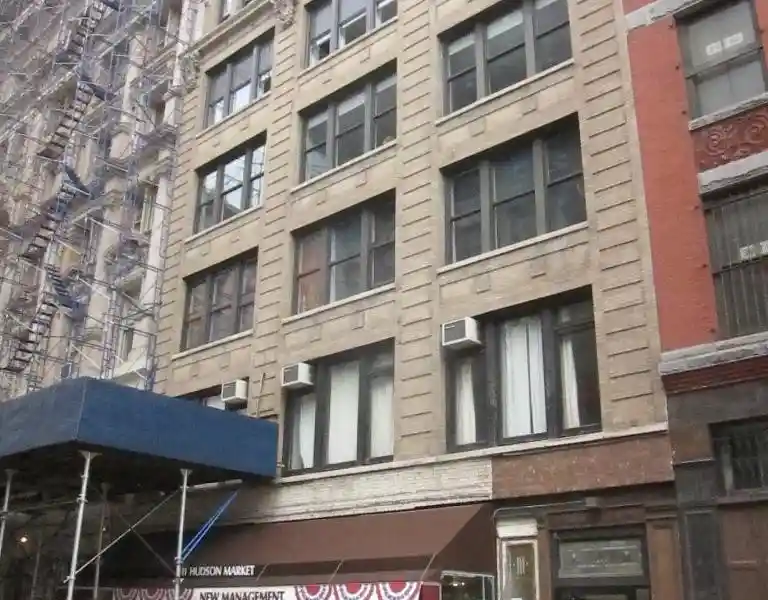
What is PMMA waterproofing?
PMMA (polymethyl methacrylate) is a fast-curing, liquid-applied waterproofing membrane. It cures quickly even in cold weather, forms a fully bonded, seamless membrane with no seams for water to penetrate, and is commonly used for balcony decks, roofing, and roof-to-wall transitions where a traditional sheet or torch-down membrane isn't practical.
Where PMMA fits on a NYC building
PMMA earns its place at the details: the spots where a sheet membrane needs seams, laps and torches and still leaks. On the projects below we have used it for:
- Balcony decks at 311 Franklin Avenue and 870 New York Avenue, where the membrane has to wrap curbs, door saddles and railings
- Roofing: a PMMA roof at 870 New York Avenue and skylight waterproofing at 111 Hudson Street
- Back-up wall flashing replacement at the Kips Bay Complex, so water that gets behind the brick drains out
It is one tool among several. See roof & facade waterproofingfor how we pick a system, and roof repair & replacementfor full roof work, which in NYC can also trigger the Local Laws 92 & 94 solar and green roof rules.
How a PMMA system goes down
- Investigate. Find where the water is actually getting in before choosing the membrane.
- Prepare the substrate. Remove failed material, then grind, clean and dry the surface to the manufacturer's requirements.
- Prime. A primer matched to the substrate (concrete, metal, existing membrane).
- Resin and fleece. Resin is applied, a reinforcing fleece is embedded wet, and more resin saturates it, giving a seamless, fully bonded membrane.
- Finish. A top coat or wearing surface for foot traffic and UV, then inspection and closeout.
Trade-offs to plan for
- Strong odor while curing: ventilation, air intakes and tenant notice need a plan.
- A clean, dry substrate is not optional; preparation is most of the labor.
- Material cost per square foot is higher than sheet goods, which is why it is used where details make it pay off.
PMMA waterproofing FAQ
What is PMMA waterproofing?
PMMA (polymethyl methacrylate) is a fast-curing, liquid-applied waterproofing membrane used for roofing and balcony/terrace waterproofing. It cures quickly even in cold weather, forms a fully bonded, seamless membrane, and is commonly used where a traditional torch-down or sheet membrane isn't practical — including balcony decks, roof-to-wall transitions, and back-up wall flashing.
Where has Altius CM used PMMA?
Across 4 documented projects, including PMMA roofing, PMMA balcony waterproofing, and PMMA back-up wall flashing on multi-structure complexes.
How long does PMMA take to cure?
PMMA resins are formulated to cure fast, often in about an hour, and many can be applied in cold weather when other liquid membranes cannot. Exact cure and recoat times depend on the product and the temperature, so they follow the manufacturer data sheet for the system specified.
Does PMMA need an open flame?
No. PMMA is liquid-applied and cures chemically, so there is no torch. That is a practical advantage on occupied buildings and at tight roof details such as penetrations, curbs and roof-to-wall transitions.
What should a building plan for during a PMMA application?
The resin has a strong odor while it cures, so air intakes, windows and tenant notices need planning. The substrate has to be clean, dry and prepared to the manufacturer's requirements, and the system is installed by trained crews following the manufacturer's procedure.
Our PMMA projects
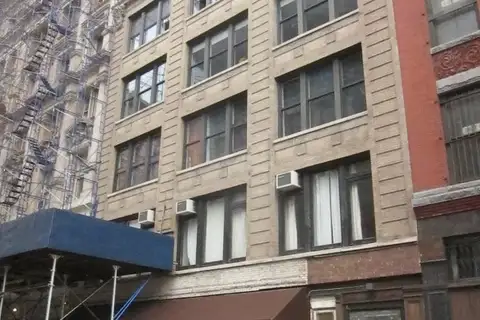
111 Hudson Street
Manhattan, NY 10013
▸ PMMA Waterproofing at Skylights
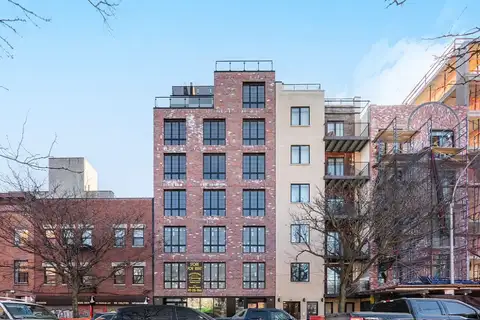
311 Franklin Avenue
Brooklyn, NY 11238
▸ PMMA Balcony Waterproofing
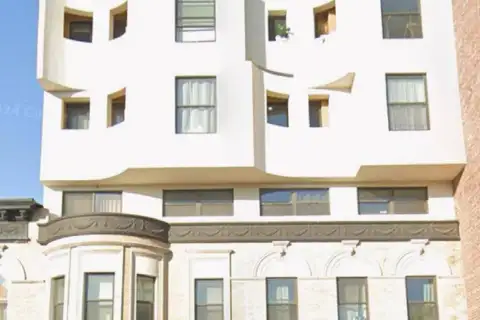
870 New York Avenue
Brooklyn, NY 11203
▸ PMMA Roofing
▸ PMMA Balcony Waterproofing
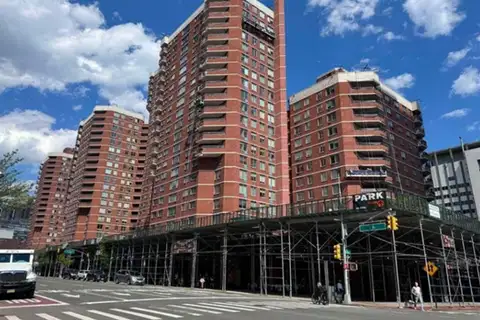
Kips Bay Complex
New York, NY
▸ Back-Up Wall Flashing Replacement (PMMA)