Falling masonry · Unsafe facade · Failing garage slab · DOB order
Emergency Structural Repair & Containment in NYC
Something is coming off your building, a slab is cracking, or DOB just found it Unsafe. Call now. We protect the public, make it safe with your engineer, then fix it for good.
Email: info@altiuscm.com
Someone hurt, or debris still falling where people are? Call 911 first.
Emergency intake
Address, what’s happening, and a number we can reach you on. Photos help; we’ll ask for them when we reply.
What emergency structural repair is
Emergency structural repair is the work that makes a failing building safe before the permanent fix: protecting the public with sidewalk sheds, fences and netting, removing loose material, shoring or stabilizing what is failing under the engineer’s direction, and closing the building against water.
In New York City the first moves are set by law: who has to tell DOB, how fast the protection goes up, and how long you have to fix it. Here are the rules that matter in the first days, each linked to the code or rule it comes from.
Key facts
- In NYC, work that would otherwise need a permit may start without one “to the extent necessary to relieve an emergency condition.” The permit application is due within 2 business days after the work starts. (Admin Code §28-105.4.1)
- The emergency work the code lists includes erecting sidewalk sheds and fences to protect the public and stabilizing unsafe structural conditions. (§28-105.4.1)
- Unsafe facade (FISP): the inspector must notify DOB and the owner immediately, and the owner must immediately start repairs and put up sheds, fences or netting as needed. Unsafe conditions must be corrected within 90 days of the report being submitted. (1 RCNY §103-04)
- Unsafe parking structure (Local Law 126): same immediate duty, including cordoning off dangerous areas, and the same 90-day correction window. DOB may grant an extension of up to 90 days on the inspector’s application. (1 RCNY §103-13)
- Unsafe parapet: the person doing the annual observation must notify DOB immediately, the owner must install public protection immediately, and the condition must be corrected within 90 days of that notice. (1 RCNY §103-15)
- If the city does emergency work on your building, its expenses are “a debt recoverable from the owner.” (Admin Code §28-215.1.1)
- Sidewalk shed permits now run for 90 days at a time. (Local Law 48 of 2025)
Checked against the NYC Administrative Code and DOB rules. Updated .
What to do in the first hour
People first, then the building, then the paperwork. In this order:
- If anyone is hurt or more can fall on people, call 911. Life safety comes before everything else, including us. If debris has hit someone, or more could fall onto a sidewalk, yard, garage or roof where people are, call 911 now.
- Clear the fall zone and keep people out. Close the sidewalk below with cones, tape or a barricade. Shut the entrance or garage level that is affected and redirect residents. Do not send a super or porter up to look at it or pry at it.
- Call a contractor who can protect the public, and your engineer. You need two calls: a contractor who can put up a sidewalk shed, fence or netting and make the condition safe (that is us), and a licensed engineer or architect to assess the structure. If your building has a FISP inspector (QEWI) or a parking structure inspector (QPSI), call them too.
- Document it from a safe distance. Take time-stamped photos and video of what fell, where it landed and where it came from. Write down the time and who saw it. Keep any fallen pieces out of the way but do not throw them out.
- Notify your insurer, your board and your managing agent in writing. Send a short written notice with the photos. Your policy decides what is covered, so get the claim opened early.
- Get the DOB side right. An inspector who finds an Unsafe facade, parking structure or parapet condition must notify DOB immediately (§103-04, §103-13, §103-15). If protection or stabilization starts before a permit, the permit application is due within 2 business days of starting (§28-105.4.1).
Emergencies we handle
Falling brick, stone or terra cotta
Get the sidewalk closed and protected, take down what’s loose, then repair the wall. See facade repair.
An Unsafe FISP finding
Protection goes up immediately and the 90-day clock starts. See how to read a FISP report and the Local Law 11 hub.
A cracked or spalling garage slab or column
Cordon off the bay, shore it to the engineer’s design, then repair. See parking garage repair and the Local Law 126 guide.
A leaning or cracked parapet or chimney
Protect below, brace or take it down, rebuild. See parapet repair and the annual parapet observation rule.
A sidewalk shed or netting needed now
Sheds, fence and netting are listed emergency work. See scaffolding and sheds and the 90-day shed permit rules.
Active leaks or a failed roof section
Close the building against water first. For leak and roof emergencies, see emergency facade and roof repair.
Fire or water damage
Make safe, protect the public, close the building to weather, so the engineer can assess and the repair can be scoped.
A DOB Unsafe or emergency declaration, or a vacate order
Act on what the order cites, with your engineer, before the city does the work and bills you. See the FAQ below.
What we do
Protect, stabilize, close it up, then repair it properly. One contractor, from the first shed to the finished repair.
Containment and public protection
Sidewalk sheds, construction fence, debris netting and pipe scaffold to get people out from under the hazard.
Make-safe removal
Controlled removal of loose brick, stone, terra cotta, coping and stucco that can’t safely stay on the wall, by scaffold or rope access.
Shoring and temporary stabilization
Temporary shoring, bracing and stabilization of failing masonry, lintels, parapets and slabs, built to your engineer of record’s direction.
Parking garage slab and column shoring
Shoring under deteriorated slabs, beams and columns, cordoning off unsafe bays, then the concrete repair a Local Law 126 report calls for.
Parapet and chimney make-safe
Taking down or bracing a leaning or cracked parapet or chimney, then rebuilding it.
Temporary weatherproofing and leak containment
Tarping, temporary membrane and flashing to stop active water intrusion through a roof, parapet or facade opening.
Emergency roof replacement
Tear-off and replacement of a failed or collapsed roof section, including mid-project when the condition is found during other work.
Post-fire and post-water stabilization
Make-safe, protection and weather closure of a fire- or water-damaged building so it can be assessed and repaired.
The permanent repair
Once the building is safe, the same team does the real fix: facade, parapet, roof and garage repairs that let the protection come down.
Who does what: contractor and engineer
Altius CM is the contractor. On a structural emergency we work with your licensed professional engineer or registered architect (PE/RA). The engineer decides what the structure needs; we build it: the protection, the shoring, the make-safe work and the repair. We don’t sign, seal or file engineering reports, FISP reports or Local Law 126 reports.
No engineer yet? Tell us on the call. You need one, and you need them engaged now. If a FISP inspector (QEWI) or a parking structure inspector (QPSI) found the condition, they already have a reporting duty to DOB, and we work alongside them.
Recent structural and facade work
A sample from our own project records — self-reported, not third-party audited, but specific. Full portfolio at /projects.
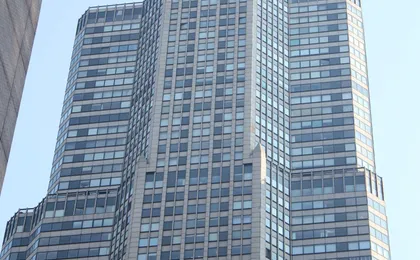
150 West 56th Street
Emergency roof replacement at the penthouse, added to the contract mid-job once the condition was found, on an envelope restoration run under a sidewalk shed with a Tenant Protection Plan.
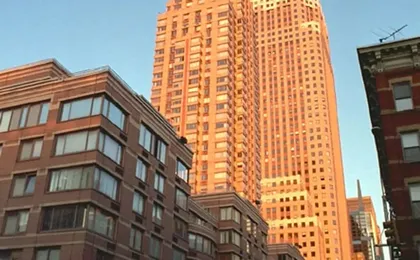
330 West 45th Street
Parking garage structural concrete repair at columns, slabs, beams and walls, with shoring of utilities and selective demolition, under the engineer’s oversight. In progress.
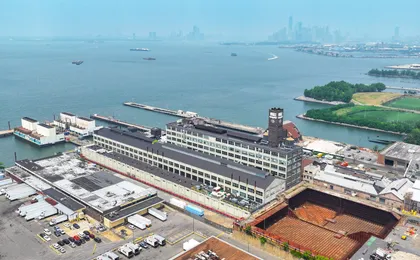
14 53rd Street
Parking garage restoration: spalled concrete encasement, cracked slab-on-grade, rusted steel beams and headers, and a partial ramp replacement. Completed.
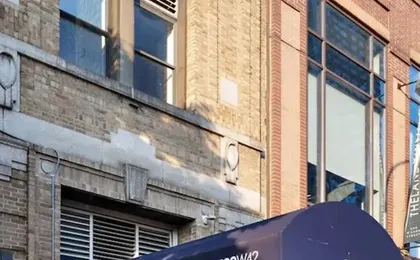
529 West 42nd Street
FISP facade restoration with full parapet reconstruction, brick stitching and lintel replacement. In progress.
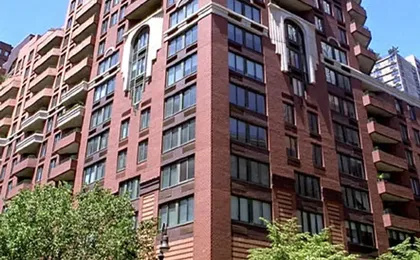
1 Rector Park / 333 Rector Place
FISP Cycle 10A facade repairs with a sidewalk shed and a site safety plan.
Frequently Asked Questions
Who do I call when bricks or stone fall from my building in NYC?
If anyone is hurt or more could fall on people, call 911 first. Then keep people out of the fall zone and call two people: a contractor who can put up public protection (a sidewalk shed, fence or netting) and remove or secure what is loose, and a licensed engineer or architect to assess the structure. Altius CM is the contractor, and we work with your engineer. If a FISP inspector found the condition, they must notify DOB immediately (1 RCNY §103-04).
Do I need a permit for emergency repairs in NYC?
Not to start. Under NYC Administrative Code §28-105.4.1, work that would otherwise need a permit may be performed without one to the extent necessary to relieve an emergency condition, and the permit application must be filed within 2 business days after the work starts, with a written description of the emergency and what was done to reduce the hazard (§28-105.4.1). The code’s examples include sidewalk sheds, fences and stabilizing unsafe structural conditions. The permanent repair goes through normal permitting.
How fast does a sidewalk shed have to go up after an Unsafe finding?
The rules say immediately. When a report of an Unsafe facade condition is filed, the owner must immediately start repairs and put up sidewalk sheds, fences and safety netting as needed to protect the public (1 RCNY §103-04). For an Unsafe parapet, the owner must immediately install public protection (1 RCNY §103-15). Shed permits now run for 90 days at a time (Local Law 48 of 2025).
How long do I have to fix an Unsafe facade or parking garage condition?
90 days. Unsafe facade conditions must be corrected within 90 days of the FISP report being submitted (1 RCNY §103-04), and Unsafe parking structure conditions within 90 days of the Local Law 126 report (1 RCNY §103-13). Unsafe parapets: 90 days from the notice to DOB (1 RCNY §103-15). For facades and garages, if the scope can’t be done in that time, the inspector recommends a timeframe and can apply to DOB for an extension of up to 90 days.
Who pays when the city does emergency work on my building?
The owner. If the DOB Commissioner finds a building poses an imminent danger, the Commissioner can direct HPD or another city agency to do the emergency work (Admin Code §28-215.1), and the city’s expenses are “a debt recoverable from the owner” (§28-215.1.1). HPD says that work it performs or contracts for after an owner fails to comply with its orders is billed to the owner and may be significantly more expensive than if the owner had contracted directly (HPD). Hiring your own contractor keeps the scope, schedule and cost in your hands. This is general information, not legal advice.
Can you start work before the engineer’s report is done?
Yes, for protection and make-safe work. The code allows emergency work such as sidewalk sheds, fences and stabilizing unsafe structural conditions to start before a permit, to the extent needed to relieve the emergency (§28-105.4.1). We don’t guess at structure: shoring and stabilization are built to your engineer’s direction, and the engineer’s report and drawings drive the permanent repair. Altius CM does not sign, seal or file engineering reports.
What does a vacate order mean for my building?
A city agency issues an Order to Repair/Vacate because of a condition that “is or may be imminently perilous, dangerous, or detrimental to life, public safety, or property,” and occupants can’t live in the affected units until the agency lifts or rescinds it (HPD). Getting it lifted starts with making the condition safe and correcting what the order cites. Call your attorney about the order itself; call us about the work.
Does the same contractor do the permanent repair?
It can. The crew that put up the protection already knows the conditions. Altius CM does facade, parapet, roof and parking garage repairs, and the project examples on this page come from our own completed and ongoing work.
Something failing right now? Call now.
Tell us the address and what you’re seeing. We’ll tell you straight what has to happen first.
Related: Emergency facade & roof repair · Local Law 11 / FISP · Scaffolding & sheds · Parking garage repair · Contact
This is general information, not legal advice.