Local Law 11 / FISP Inspection Support
Every NYC building taller than six stories has to have its exterior walls and appurtenances inspected every five years under the Facade Inspection and Safety Program (FISP), the program created by Local Law 11. A Qualified Exterior Wall Inspector (QEWI) runs the critical examination and files the technical report with the Department of Buildings. Altius CM handles the field side of that inspection: getting the inspector safely onto the wall, opening and closing the probes, documenting the work, and then carrying out the repairs the report calls for. Source: NYC DOB, Facade & Local Law.
What a FISP inspection requires in the field
The rule that governs FISP, 1 RCNY §103-04, sets out more than a visual look from the street:
- Close-up physical examinations at intervals of no more than 60 feet along each facade that fronts a public right-of-way, running from grade to the top of the wall, including setbacks. A facade under 60 feet long needs at least one; 60 to 120 feet needs two; and one more is added for every additional 60 feet.
- Drones don’t replace close-up work. The rule says the use of drones, high-resolution photography, non-destructive testing “or other similar methods does not eliminate the requirements for close-up inspections.”
- Cavity wall probes. Starting with the ninth cycle, probes are required on all cavity wall construction, and at a minimum during every later odd-numbered cycle, with at least one probe along each required close-up interval. The QEWI picks the locations, in areas not previously renovated.
- Documentation. The report has to include the locations and dates of the close-up inspections, the riggers and contractors involved, and dated photos of the inspection team performing the close-up examinations.
- Timing. The report must be filed within 60 days of the date the QEWI completes the critical examination, and no more than one year after the close-up inspection.
The QEWI decides the method. The rule says a scaffold or other observation platform is preferred, but the QEWI may use other methods of inspection as they deem appropriate. That’s where industrial rope access often comes in on tall or hard-to-reach elevations.
What Altius CM does
- Close-up access by rope access or scaffold drop, planned with the QEWI so each required interval is covered from grade to roof.
- Probe openings and patch-back on cavity walls at the locations the QEWI selects.
- Field photo documentation of the close-up work and probe conditions for the QEWI’s report.
- Public protection when a condition is found that needs it, through our scaffolding and sidewalk shed work.
- The repairs themselves. When the report comes back SWARMP or Unsafe, we carry out the facade and parapet repairs and coordinate the amended filing with your QEWI.
Altius CM is a contractor, not the inspector of record. The QEWI signs and files the report; we make sure they can see every foot of wall they need to, and we fix what they find.
Cycle 10 timing
Cycle 10 runs February 21, 2025 through February 20, 2030 and is split into three sub-cycles by the last digit of the building’s tax block: 10A (blocks ending 4, 5, 6, 9) opened February 21, 2025; 10B (0, 7, 8) opened February 21, 2026; and 10C (1, 2, 3) opens February 21, 2027. Source: NYC DOB Cycle 10 sub-cycle diagram (PDF). Our FISP Cycle 10 guide walks through finding your sub-cycle, and Local Law 49 of 2025 covers the change to how inspection intervals will be set.
Our work in this area
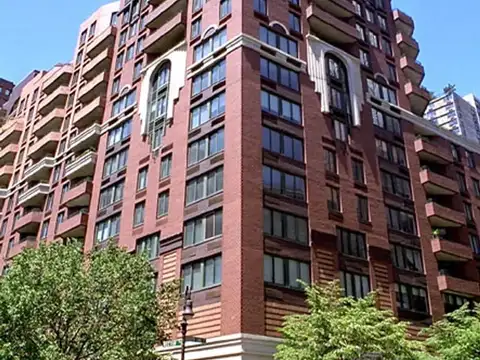
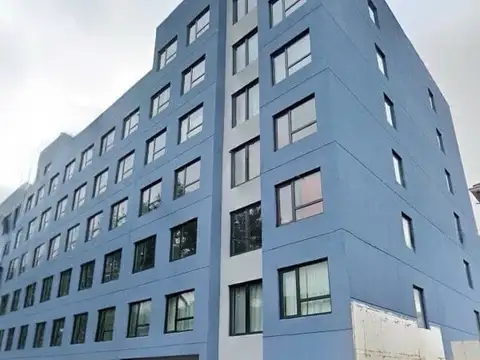
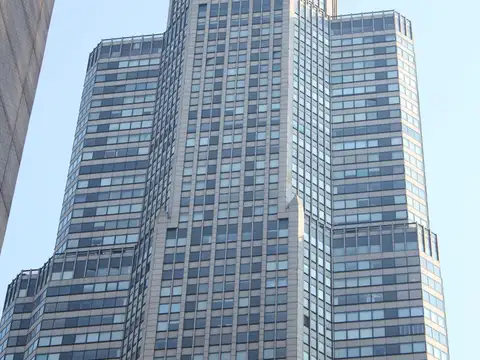
At 2837 Valentine Avenue in the Bronx (FISP Cycle 10), Altius CM provided rope access and hands-on support to the engineer during the facade inspection. On the repair side, 1 Rector Park is a FISP Cycle 10A facade repair and The Armory, 529 West 42nd Street a FISP 9 restoration. Repair work that grows out of FISP reports makes up much of our Local Law 11 restoration portfolio.
Frequently Asked Questions
Can Altius CM file my FISP report? No. Only a Qualified Exterior Wall Inspector can file the technical report with DOB. We work alongside your QEWI, or can help you engage one, and we provide the access, probes, documentation and repairs.
Can a drone inspection satisfy FISP? Not by itself. Under 1 RCNY §103-04, drones and high-resolution photography can supplement the inspection, but they don’t eliminate the required close-up physical examinations.
How many close-up drops does my building need? It depends on the length of each facade elevation that fronts a public right-of-way: at least one for a facade under 60 feet, two from 60 to 120 feet, and one more for every additional 60 feet. Your QEWI picks the most deleterious locations.
Is rope access allowed for the close-up inspection? The rule prefers a scaffold or other observation platform but lets the QEWI choose other methods they deem appropriate. Many QEWIs use rope access for close-up work on tall elevations; the choice is theirs.
What happens after the report is filed? A Safe report closes out the cycle. A SWARMP finding has to be repaired before the next cycle, and an Unsafe finding requires public protection immediately and repairs within 90 days. See How to read your FISP report.
This is general information, not legal advice. Contact Altius CM to plan your building’s inspection access.
Related projects
Related NYC guides
- FISP Cycle 10 Facade Inspection Guide: Sub-Cycle 10B Filing Window Is Open
- Local Law 49 of 2025: NYC's FISP Inspection Interval Moves to 6-12 Years
- How to Read Your Building's FISP Report: Safe, SWARMP, or Unsafe
- DOB's FISP Recommendations Report: What's Proposed, What's Law, and What Isn't Decided Yet