Suspended Scaffolding, Shed Installation & Rope Access
Altius CM provides access for architect- and engineer-led FISP inspections and repairs: suspended scaffolding, outriggers, C-hook swing stages, sidewalk sheds and rope access, leased, installed and removed by the same company that does the repair work. Access is often the biggest fixed cost on a facade job, so it pays to plan it around the building and the scope instead of defaulting to the most equipment.
Which access method fits the job?
- Suspended scaffolds (swing stages) are the workhorse for sustained facade repair: masonry, lintels, sealant and balcony work that keeps a crew on the wall for weeks.
- Outriggers and C-hooks rig suspended scaffolds where the roof can’t take a standard setup.
- Rope access is fast to rig and leaves nothing hanging over the sidewalk, which suits close-up inspection drops, probes and short, targeted work. See industrial rope access.
- Sidewalk sheds protect the public below, either because a condition requires it or because overhead work is underway.
- Hoists move material without carrying it through the building, and sometimes remove the need for a shed altogether.
How do we support FISP inspections?
Under 1 RCNY §103-04, the inspecting architect or engineer (the QEWI) has to make close-up examinations at intervals of no more than 60 feet along each facade that fronts a public right-of-way. The rule prefers a scaffold or other observation platform, but lets the QEWI use other methods they deem appropriate. We rig those drops, by scaffold or rope, so the QEWI can examine and probe the wall. The QEWI signs and files the report. See FISP inspection support.
What do NYC’s sidewalk shed laws require?
A set of 2025 local laws changed how sidewalk sheds are permitted and run. Our guides cover each one:
- Local Law 47 of 2025 changed shed colors and raised the minimum clear height to 12 feet.
- Local Law 48 of 2025 cut shed permits from up to two years to 90 days. From the second renewal on, active repair work has to be underway, and a 2026 DOB rule added progress reports at each renewal.
- Local Law 50 of 2025 set new LED lighting and shielding rules for sheds.
- Local Law 51 of 2025 ties facade repair milestones to the first shed permit: construction documents within 5 months, a permit application within 8 months, and finished repairs within 2 years, for sheds first permitted on or after January 12, 2026.
In short, a shed is no longer something you put up and forget. Because we do the repair as well as the access, the shed schedule and the repair schedule are the same schedule.
How is access planned?
- Survey the building: roof structure and anchors, setbacks, courtyards, sidewalk width.
- Pick the method per elevation: scaffold where crews will stay, rope where the work is short or the elevation is awkward.
- Permits and protection: shed and scaffold permits, protection at grade, and tenant notice.
- Sequence the drops so scaffolds move with the repair crews instead of sitting idle.
Our work in this area
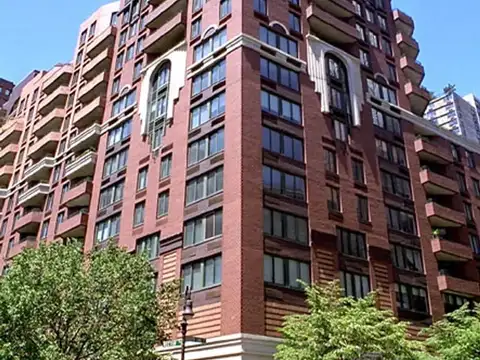
- Peter Cooper Village: up to 168 suspended scaffolds operating at once across 21 structures, 546 in total.
- Kips Bay Complex: 48 suspended scaffolds at once across 8 structures, 144 in total.
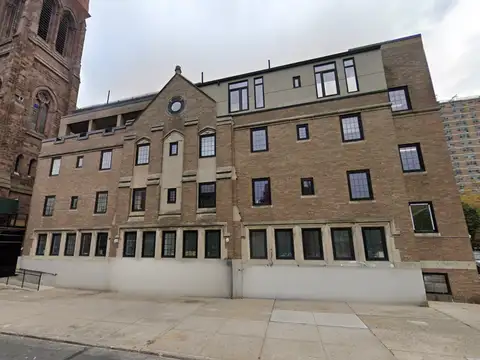
- 5 East 22nd Street and 3935 Blackstone Avenue: 30 and 24 suspended scaffolds.
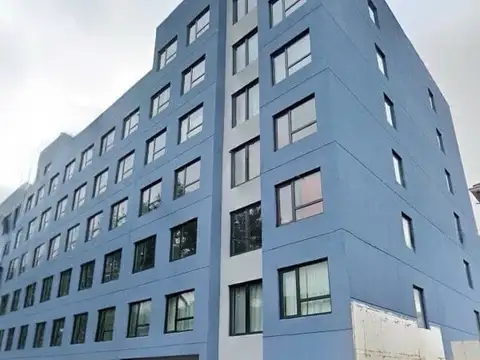
- 1166 Fox Street: six outriggers running at once on an EIFS facade.
- 401 East 65th Street: a single hoist kept material out of the building’s interior, and the roof job avoided a sidewalk shed and site safety mobilization.
- 2837 Valentine Avenue: FISP Cycle 10. Altius CM provided rope access and hands-on support to the engineer during the facade inspection.
Frequently Asked Questions
Do we need a sidewalk shed for facade work? If the inspection found an Unsafe condition, public protection has to go up immediately. For other work it depends on the scope and the access method; rope access drops and some roof jobs need only temporary protection at grade.
How long can a shed stay up now? Permits run 90 days and must be renewed. Under Local Law 48, from the second renewal on you need active repair work underway, and Local Law 51 sets repair milestones for sheds first permitted on or after January 12, 2026.
Rope access or scaffold? Rope access for inspection, investigation and short, targeted work. Scaffold for sustained masonry and repair work. Large jobs often use both.